

At the end of April, representatives of the Student Scientific Club of Biochemistry and Molecular Biology in Parasitology “PARADISE” from the University of Warmia and Mazury in Olsztyn visited NMFRI. The Club is supervised by Dr. Robert Stryiński, and the visit to the Institute was organised by Dr. Joanna Pawlak and Dr. Katarzyna Nadolna-Ałtyn from the NMFRI Department of Fisheries Resources. It is worth noting that Dr. Robert Stryiński collaborates with the NMFRI staff both in Gdynia and in Świnoujście.
At the beginning, we introduced our guests to the scope of NMFRI’s activities, with particular emphasis on research related to diet composition, parasites, and fish diseases. Ms Magdalena Stawicka – Chair and founder of the Club – presented the activities of “PARADISE”, which brings together first- and second-cycle students of Biology, Biotechnology, and Medicine at UWM. Despite the fact that the Club was established relatively recently, on 7 October 2024, it already boasts an impressive record of activities, including scientific research projects, organisation of workshops, participation in scientific conferences, and science outreach initiatives. A particular focus of the Club’s research is Anisakis simplex in herring – we are eagerly awaiting the theses currently being prepared by its members on this topic. “PARADISE” has also received awards for its active engagement, including first place in the “Debut of the Year” category in the StRuNa student scientific movement competition. The Club’s representatives present their research findings at scientific conferences, earning awards and distinctions. We congratulate them and wish them continued success!
Following the presentations, it was time to familiarise the students with the latest elements of NMFRI’s infrastructure. We showcased the renovated facilities on level 200, where ichthyological analyses are conducted. Next, thanks to the hospitality of the Department of Fisheries Oceanography and Marine Ecology of NMFRI, the students learned about the applications of the NIR (near-infrared spectroscopy) method. The potential of this method, along with examples and practical elements, was presented by Ms Karolina Jonko-Sobuś, MSc, from the Department of Food and Environmental Chemistry of NMFRI. The method generated great interest, prompting numerous questions as well as ideas for potential projects and future collaboration. We also visited the Experimental and Rearing Centre of NMFRI, where Prof. Dariusz Fey spoke about ongoing projects. The students were impressed by the infrastructure and research capabilities available at the Institute.
At the end of the visit, the group went to the NMFRI Gdynia Aquarium, where they had a unique opportunity not only to explore the exhibition but also to see the behind-the-scenes facilities, guided in a very engaging way by Mr Aleksander Piszcz, MSc. The visit concluded with a group photo of the Club members in front of an aquarium with a shoal of herring—possibly including representatives of Anisakis simplex 😉
We would like to sincerely thank all NMFRI staff who were willing to share their passion, knowledge, and time with the students.
The students were very satisfied with their visit to NMFRI, as can be seen on the Club’s Facebook profile.
Katarzyna Nadolna-Ałtyn
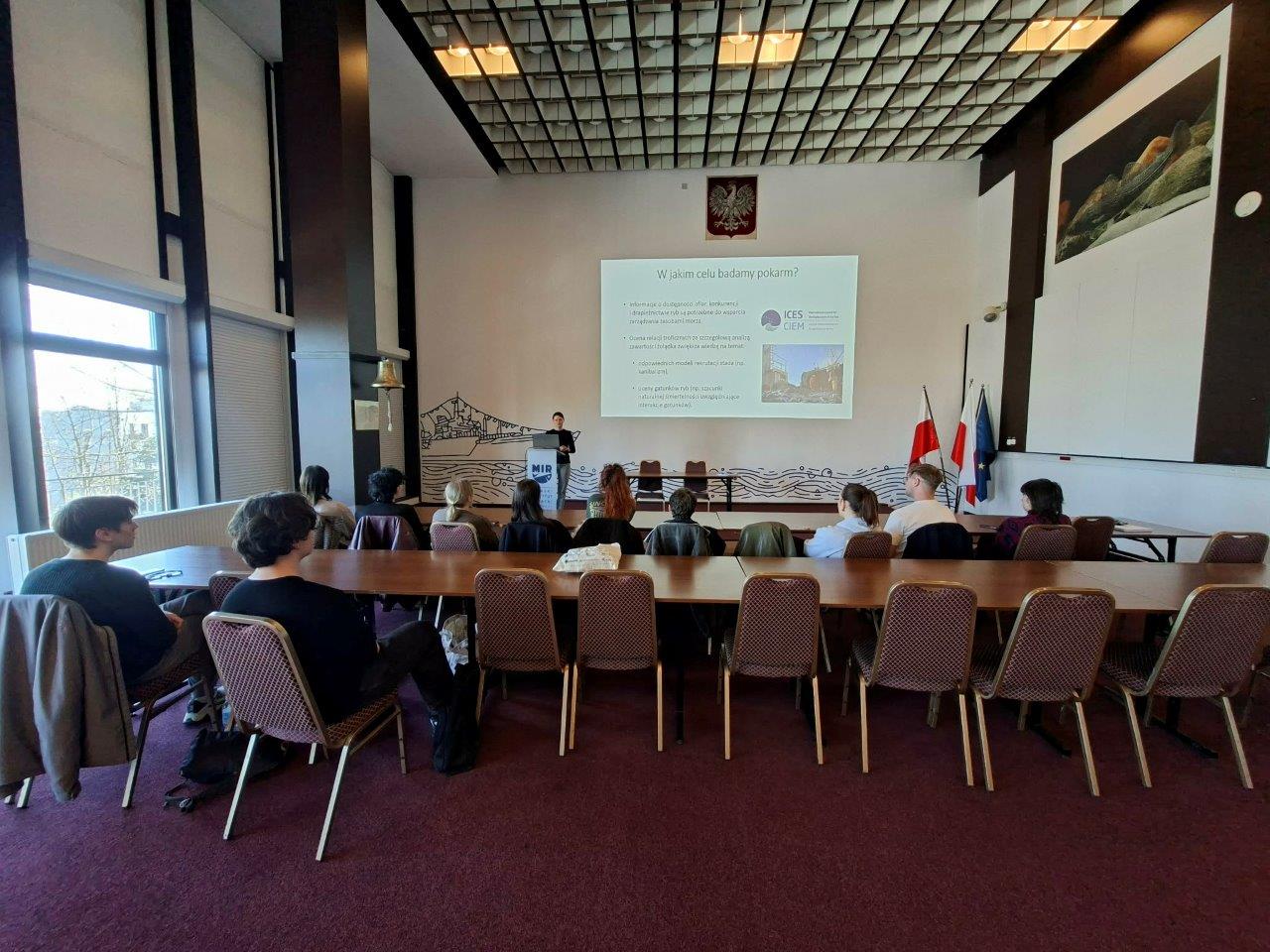
Photo 1. Dr Joanna Pawlak presents her research on fish diet composition and its relationship with the occurrence of parasites in fish (photo: NMFRI).
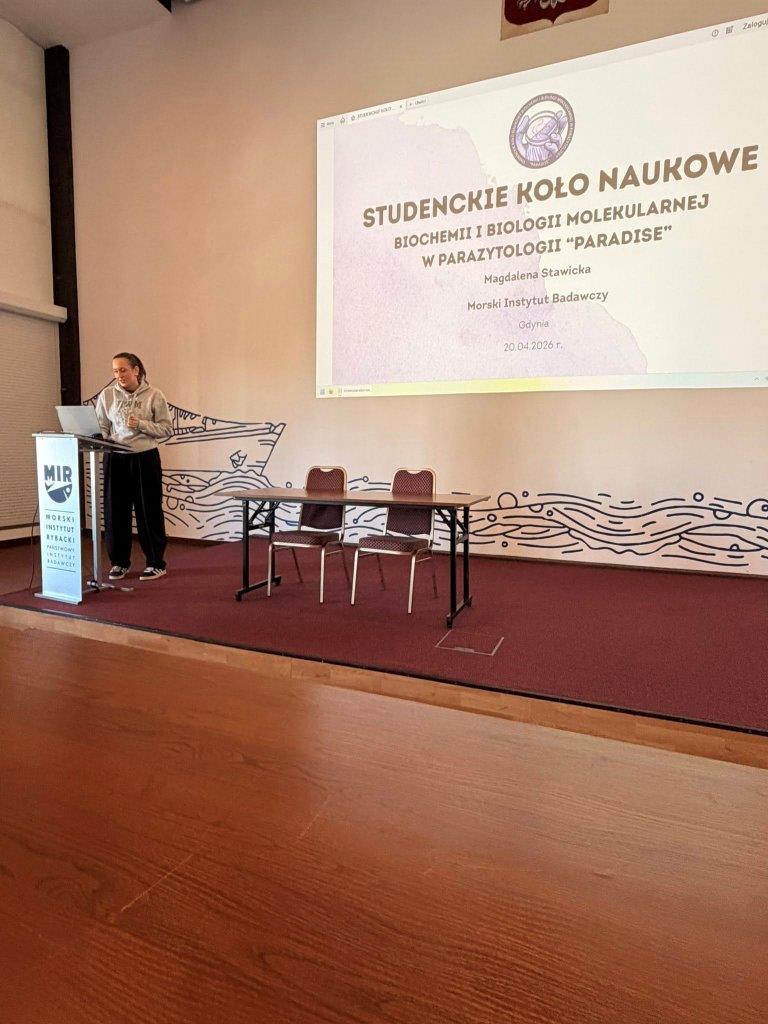
Photo 2. Ms Magdalena Stawicka presents the activities of the “PARADISE” Club (photo: R. Stryiński).
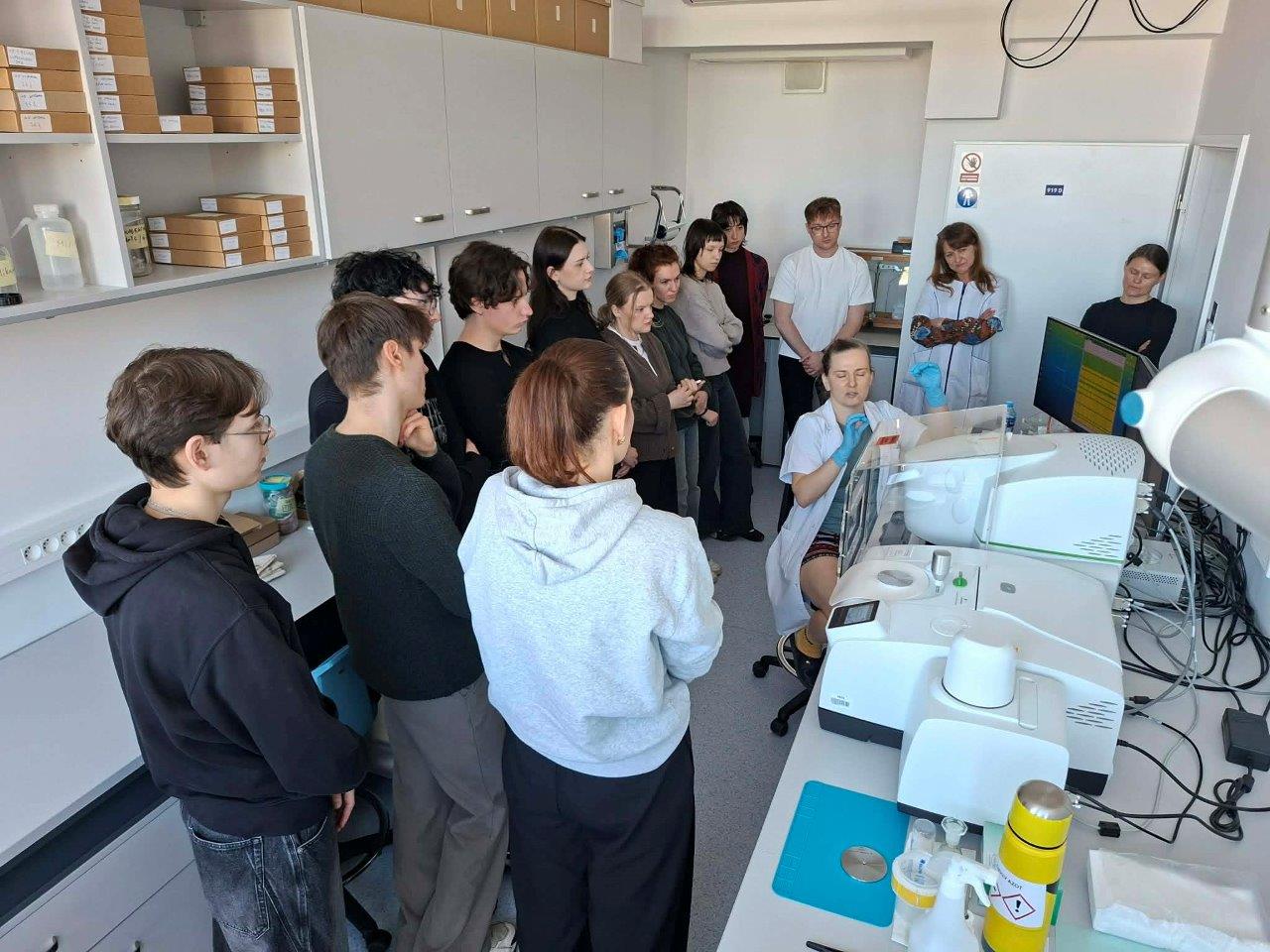
Photo 3. Ms Karolina Jonko-Sobuś, MSc, presents research opportunities using NIR (photo: NMFRI).
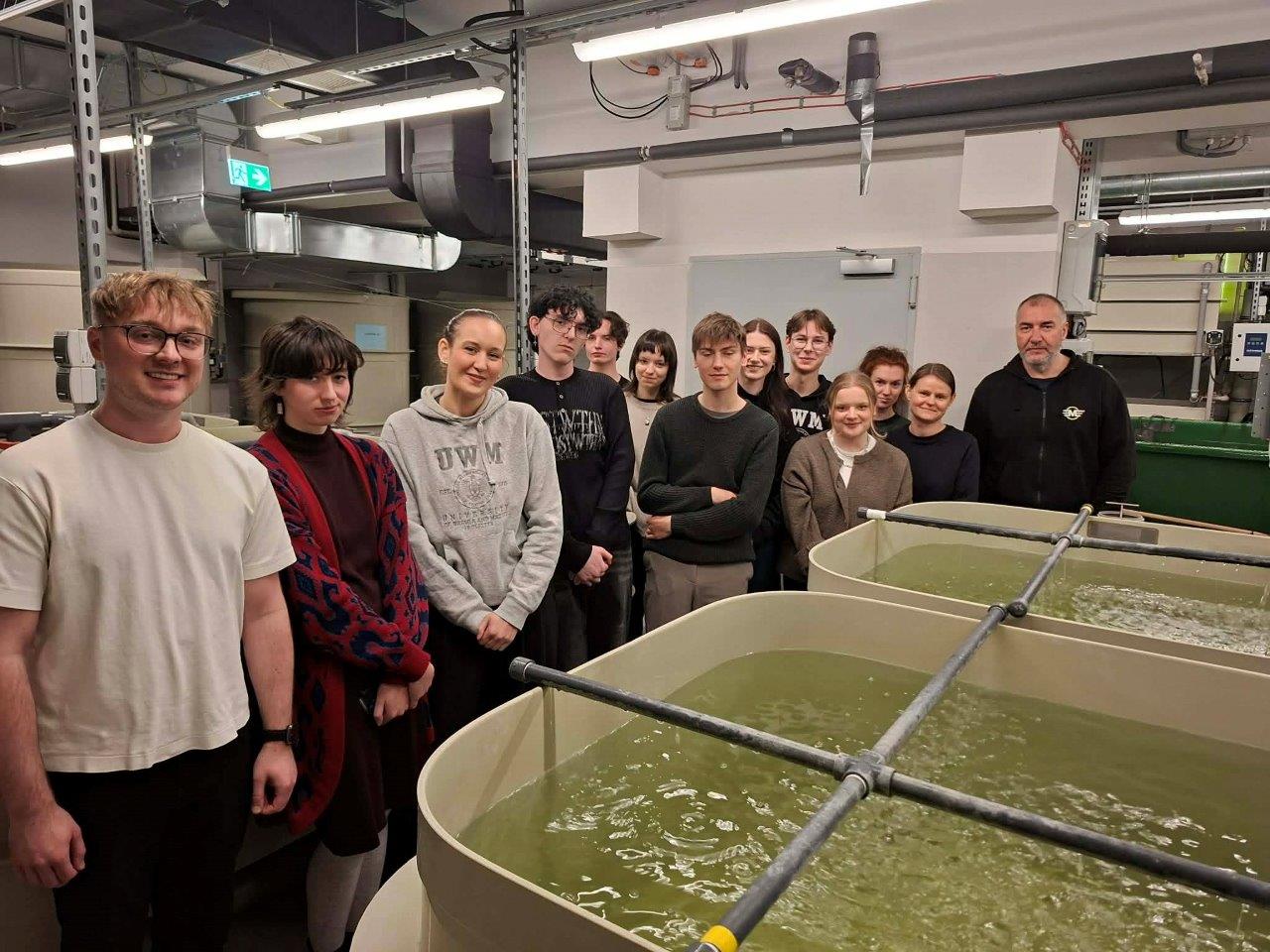
Photo 4. Prof. Dariusz Fey introduces the group to projects carried out at the Experimental and Rearing Centre of NMFRI (photo: NMFRI).
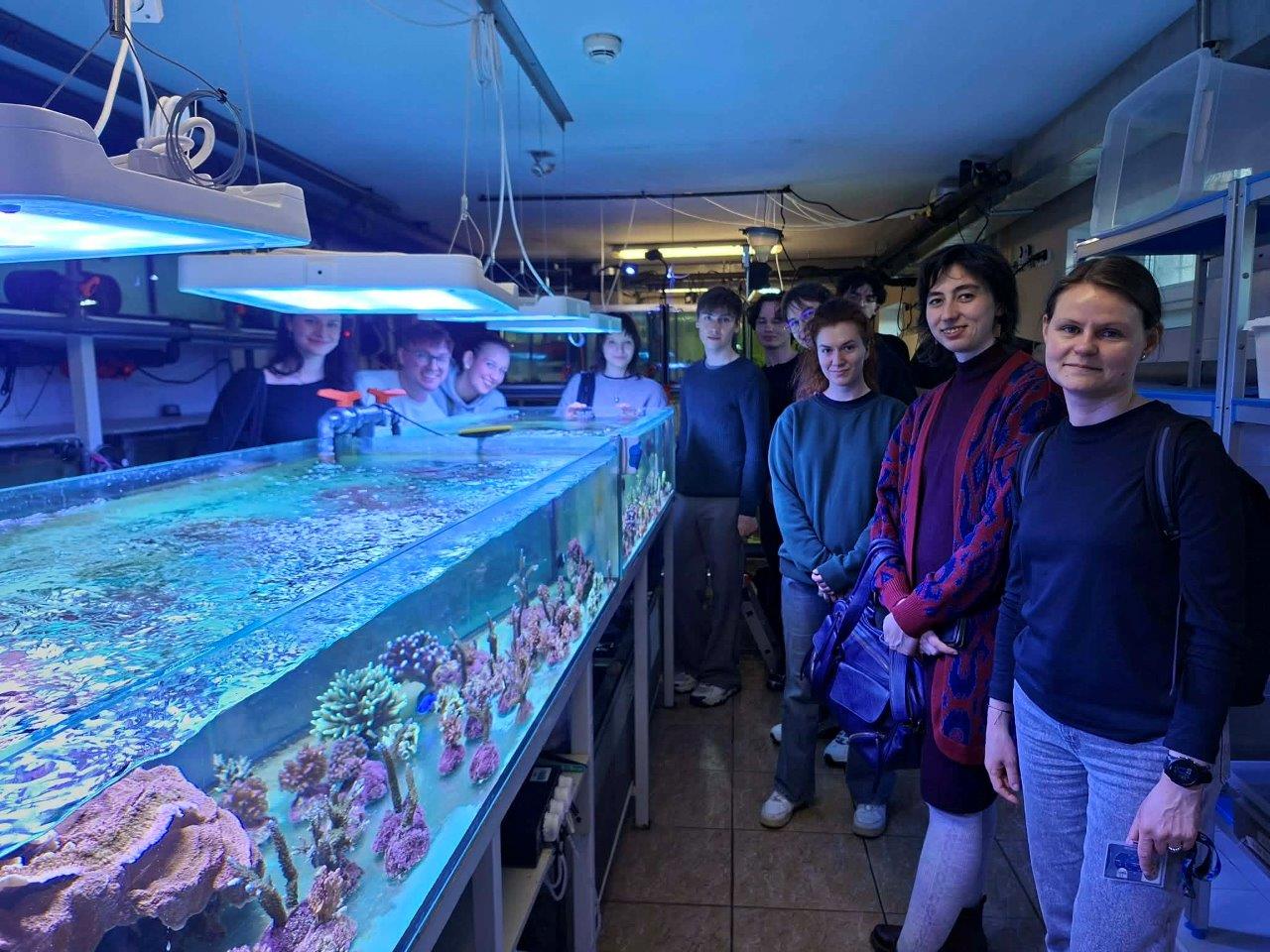
Photo 5. Behind-the-scenes of the Gdynia Aquarium (photo: NMFRI).
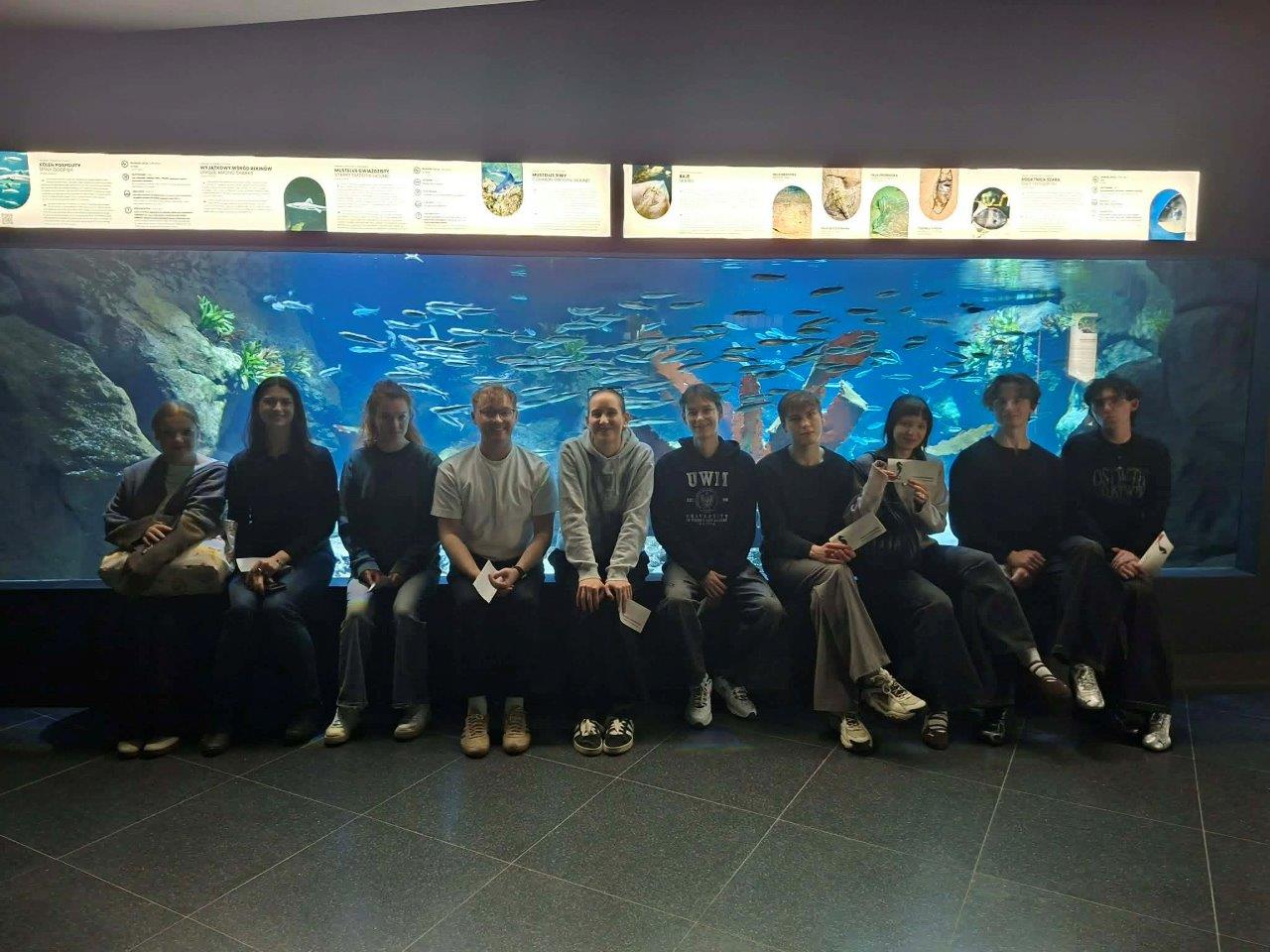
Photo 6. Members of the PARADISE Club with herring in the background (photo: NMFRI).