

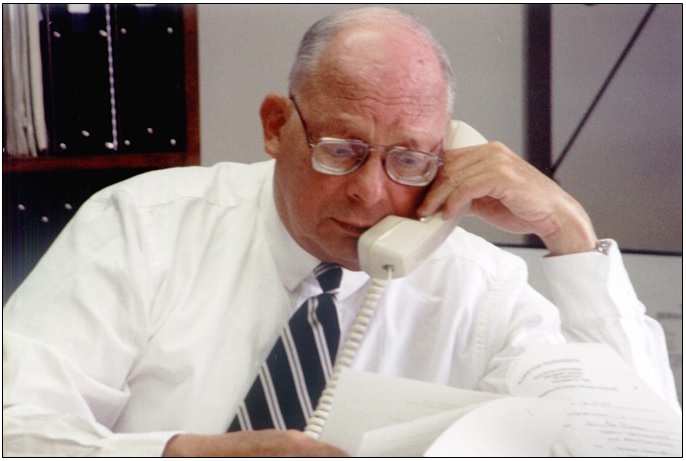
It is with deep sadness that we received the news of the passing of Dr. Kenneth Sherman, an outstanding American scientist, plankton biologist, and one of the leading architects of the modern ecosystem-based approach to marine research. Dr. Sherman passed away peacefully at home, remaining scientifically active almost until the end of his life.
Dr. Kenneth Sherman was affiliated with the U.S. National Oceanic and Atmospheric Administration (NOAA) for more than 60 years, where he played a key role in the development of the concept of Large Marine Ecosystems (LMEs)—large-scale marine systems that today form the foundation for the management of marine resources worldwide. From its inception in 1984 until the final years of his life, he remained a tireless advocate and ambassador of this approach.
Long-standing cooperation with Poland and NMFRI
Dr. Sherman was one of the key figures in Polish–American scientific cooperation in fisheries ecology, initiated in 1974. As a representative of NOAA, he served as the U.S. coordinator of the joint research programme carried out in cooperation with the National Marine Fisheries Research Institute (NMFRI).
He was a co-founder and long-time scientific advisor of the Plankton Sorting and Identification Centre in Szczecin, established in 1974, which has played a fundamental role in the analysis of plankton from marine ecosystems of the Atlantic and Pacific Oceans. Within NMFRI, Dr. Sherman was often referred to as the “godfather” of the Centre—a term that reflects his strong commitment and lasting impact on its development.
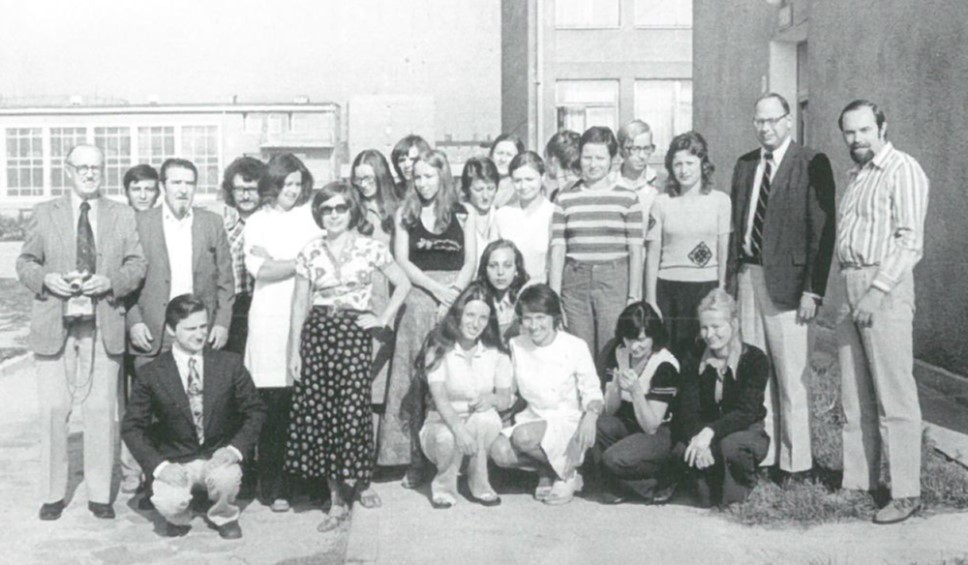
Photo: Opening of the Centre in Szczecin, 1974 – Ken Sherman (second from right) and the first staff members (NMFRI archives)
Within the framework of the joint research programme, extensive analyses of plankton collected from various regions of the world were carried out. The results of these studies contributed to the development of unique datasets used in fish stock assessment and in advancing ecosystem-based approaches to fisheries management.
Dr. Sherman’s role in the establishment and development of the Centre in Szczecin
Dr. Sherman was directly involved in the establishment of the Plankton Sorting and Identification Centre in Szczecin in 1974 and in training its first research teams. Over the following decades, he maintained close collaboration with NMFRI scientists in both Szczecin and Gdynia, participating in scientific boards and Advisory Committee meetings.
He also obtained a doctoral degree at the Sea Fisheries Institute in Gdynia, further underscoring his strong ties with the Polish scientific community.
In recognition of his scientific achievements, he was awarded an honorary doctorate by the Agricultural University of Szczecin (now the West Pomeranian University of Technology), acknowledging his contribution to the development of science and international cooperation.
As recently as 2019, he participated in Gdynia in the 45th meeting of the Poland–USA Advisory Committee (ACM), which marked his last visit to Poland.
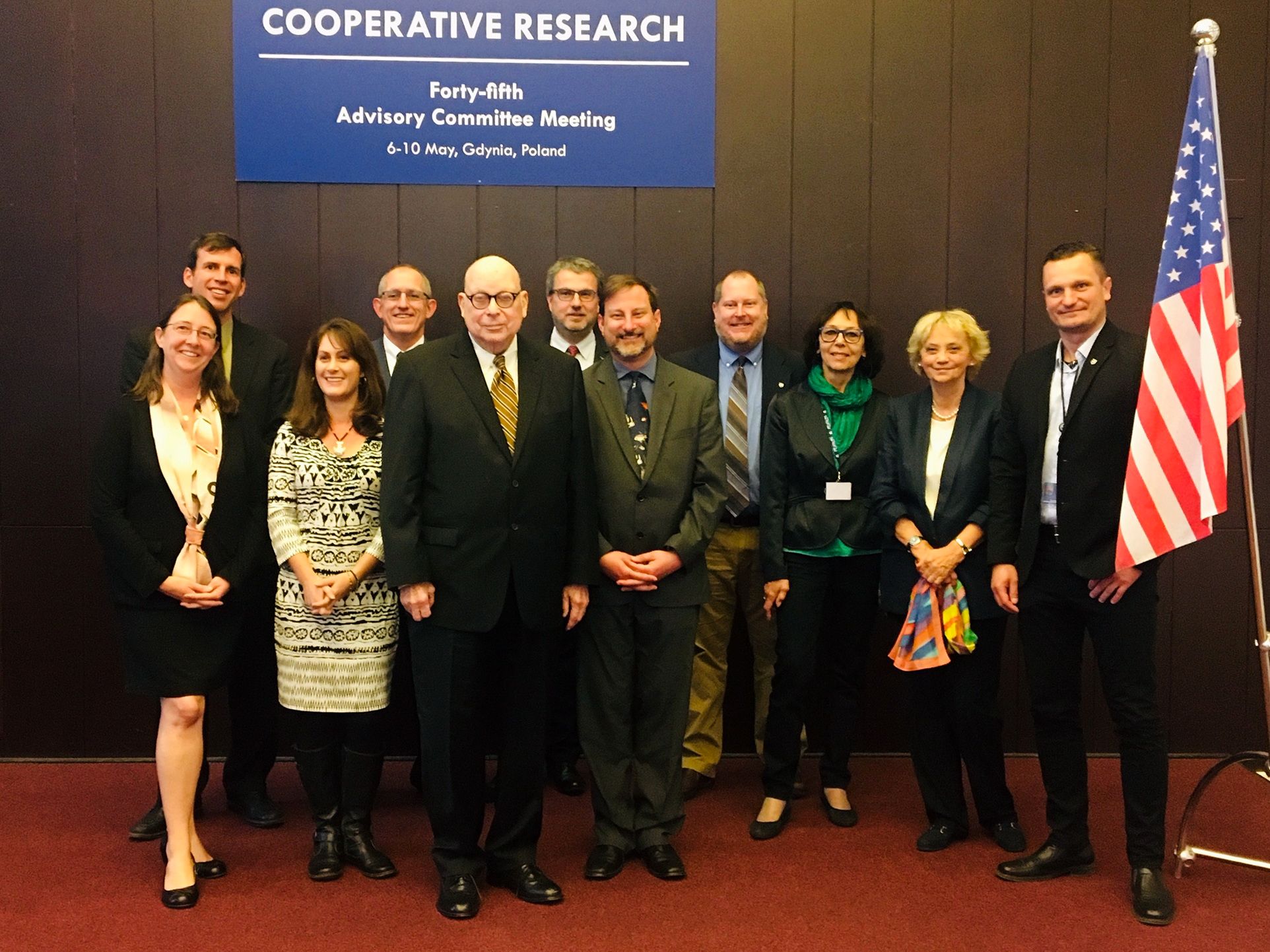
Photo: 45th anniversary of scientific cooperation between NOAA and NMFRI in fisheries ecology (1974–2019) (NMFRI archives)
Honours and distinctions
For his contributions to international cooperation and the advancement of science, Dr. Sherman received numerous honours, including:
- the Gold Cross of Merit, awarded by the President of the Republic of Poland, Lech Wałęsa, in 1993,
- the Commander’s Cross with Star of the Order of Merit of the Republic of Poland, awarded by President Aleksander Kwaśniewski in 1999 for outstanding contributions to the development of Polish–American cooperation,
- the Professor Kazimierz Demel Medal (1997), awarded by the Medal Committee.
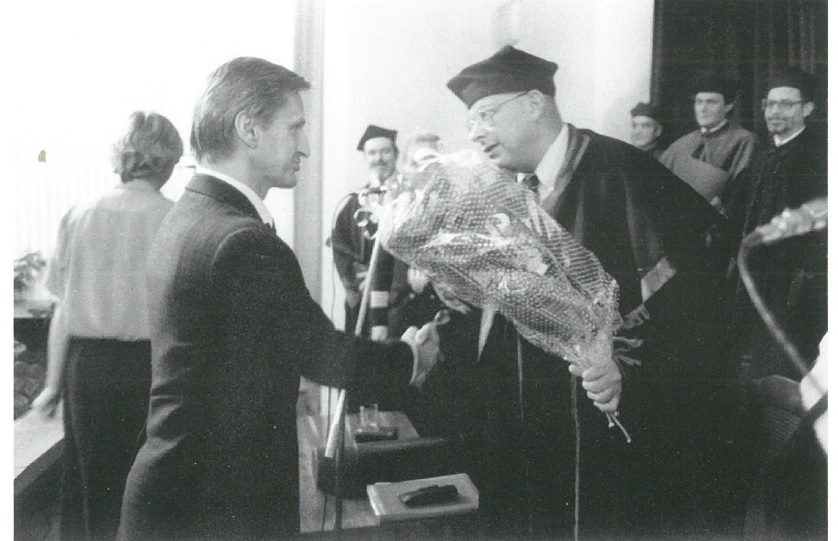
Photo: Doc. Leonard Ejsymont, Head of the Department, congratulates Dr. Kenneth Sherman on receiving the honorary doctorate from the Agricultural University of Szczecin (now WPUT), 1989 (NMFRI archives)
A man of cooperation and relationships
Dr. Sherman was not only an outstanding scientist, but also a person of remarkable energy and an exceptional ability to build international partnerships. Among his collaborators, he was known for his determination and effectiveness—as colleagues from the Szczecin Centre recall, “he could get anything done with a single phone call.”
He placed great value on international cooperation and interpersonal relationships, which he regarded as the foundation of lasting scientific endeavours.
Legacy
Dr. Sherman’s scientific achievements and his contribution to the development of ecosystem-based approaches to marine resource management remain a lasting part of global science. His work significantly advanced the understanding of marine ecosystem functioning and contributed to the recovery of fish stocks in many regions of the world.
For the NMFRI community, he will always remain a symbol of long-standing and fruitful Polish–American cooperation, and one of the key contributors to the success of plankton research and fisheries ecology in Poland.
May he rest in peace.