


On June 16–18, 2026, the Natural Hotel in Warlity Wielkie hosted the “Future of Aquaculture” conference, dedicated to the most important challenges facing Polish aquaculture. The program included topics related to, among other things, climate change, pressure from fish-eating birds, fish health, nutrition, the digitization of production, and the development of shorter supply chains for freshwater fish. Staff members from the National Marine Fisheries Research Institute actively participated in the event.
One of the highlights of the program was a presentation by Dr.Eng. Joanna Szlinder-Richert, Prof. of NMFRI, on the use of fish protein hydrolysates in aquaculture feed.
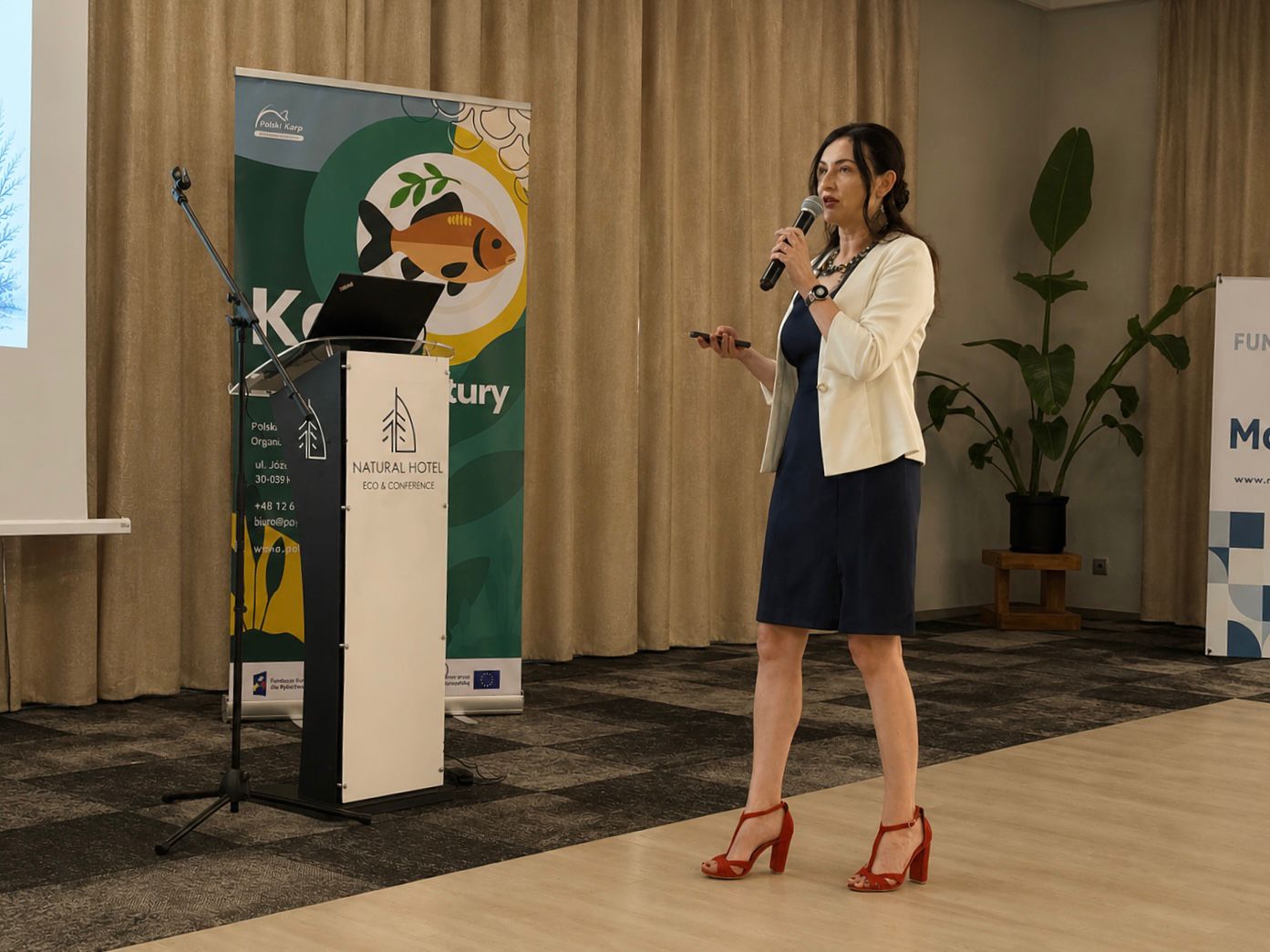
Dr.Eng. Joanna Szlinder-Richert, Professor of NMFR
The presentation examined this issue within the broader context of growing global aquaculture production and the increasing demand for sustainable feed ingredients. Particular attention was paid to the potential for better utilization of byproducts from the Polish fish processing industry—such as heads, skins, and spines—as a valuable source of protein. Fish protein hydrolysates were presented not as a simple substitute for fish meal, but as a functional feed ingredient capable of supporting palatability, digestibility, feed intake, gut microbiota, immunity, and feed conversion efficiency.
Dr.Eng. Olga Szulecka (Department of Fisheries Economics, NMFRI), presented the African catfish (Clarias gariepinus) as an aquaculture species with great technological and culinary potential.
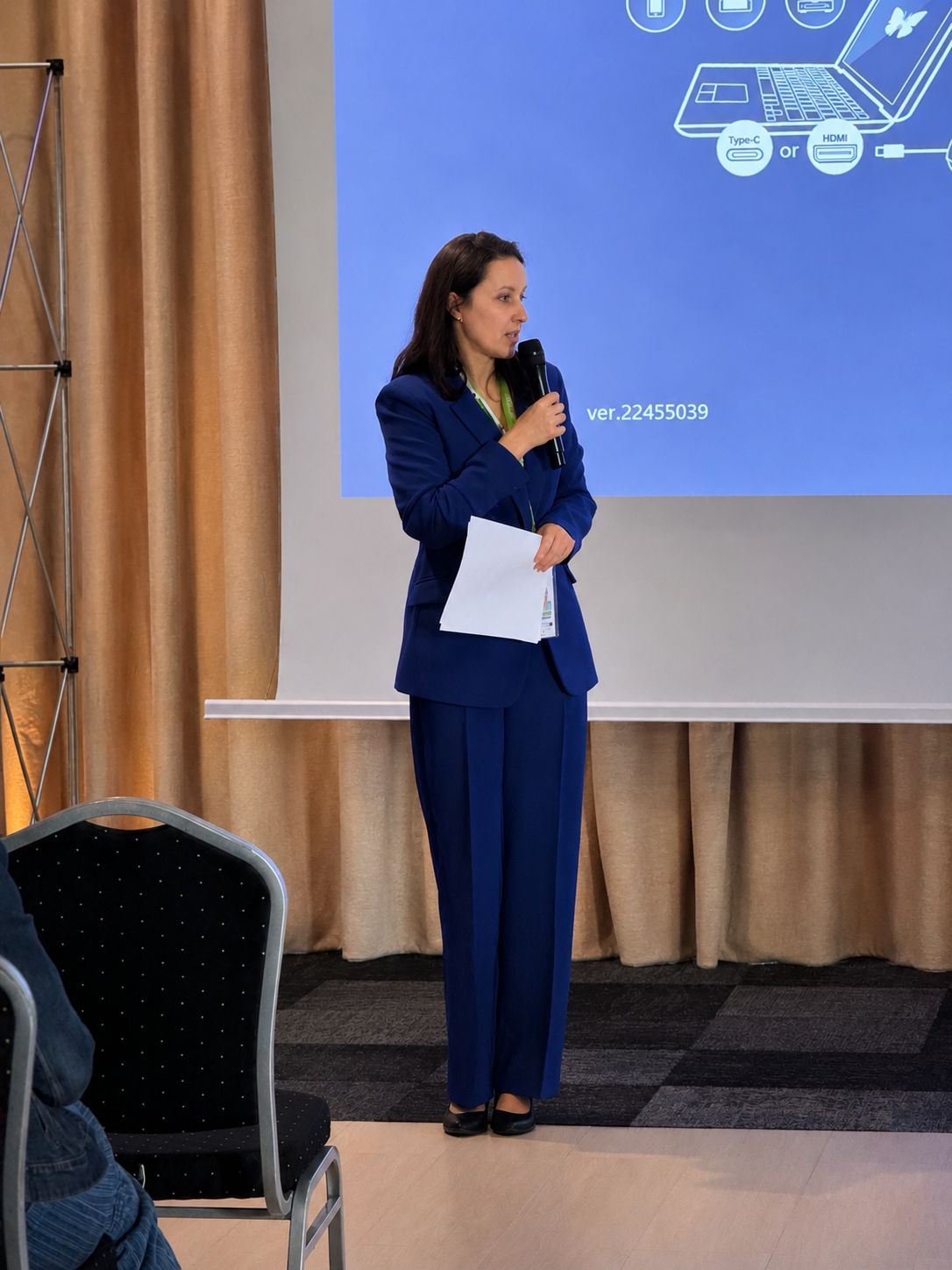
Dr.Eng. O. Szulecka
The presentation discussed its year-round availability, high suitability for processing, boneless fillets, lack of scales, mild flavor, and wide range of applications in chilled, frozen, smoked, deli, ready-to-eat dishes, and even sushi. At the same time, the importance of proper commercial labeling and honest communication with consumers was emphasized.
The practical aspects of NMFRI’s activities were presented by M.Eng. Norbert Nieżorawski, and Marta Pakowska-Szarota, M.Sc., (Department of Fisheries Economics, NMFRI), who led a training session on the e-RRW system.
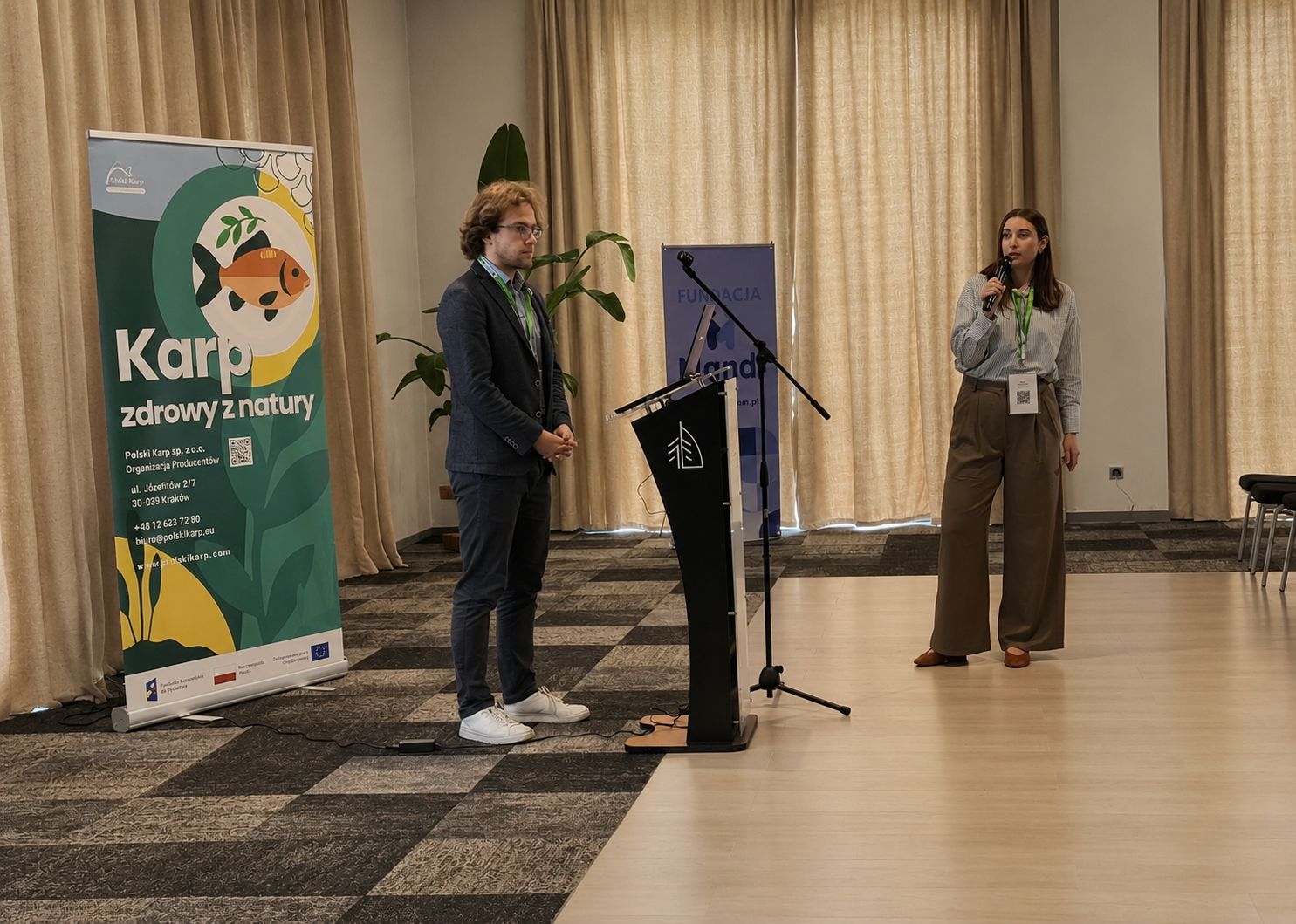
M.Eng. Norbert Nieżorawski, and Marta Pakowska-Szarota, M.Sc.
Participants were introduced to the rules for electronically submitting forms related to aquaculture production (in particular, the RRW-22 form), as well as the system’s key features: error reduction, ease of access, the ability to save drafts, automatic confirmation of form submission, and user support provided by the NMFRI. The training also emphasized that modern aquaculture requires not only technological innovation, but also reliable data collected under the Multiannual Fisheries Data Collection Program, which serves as the basis for sectoral analyses, administrative decisions, and fisheries policy planning.
The conference in Warlity Wielkie demonstrated that the future of aquaculture will depend on integrating multiple perspectives: environmental, technological, health-related, economic, and consumer-oriented. Presentations by the NMFRI staff aligned well with this message, showcasing the Institute as an organization that provides the sector with both scientific knowledge and practical tools to support the operations of fish farms and administrative bodies.
T. Kulikowski